How to design a battery pack
How the pack is calculated
V = S × Vcell · C = P × Ccell · E = V × C
Cells in series add up their voltage, cells in parallel add up their capacity and current. The number in series sets the voltage: S = V ÷ Vcell, so a 36 V pack of 3.6 V Li-ion cells is 10S.
The number in parallel must cover two things: the capacity you want, P ≥ C ÷ Ccell, and the current you draw, P ≥ I ÷ Icell. The larger one wins; a powerful motor often needs more cells than the capacity alone.
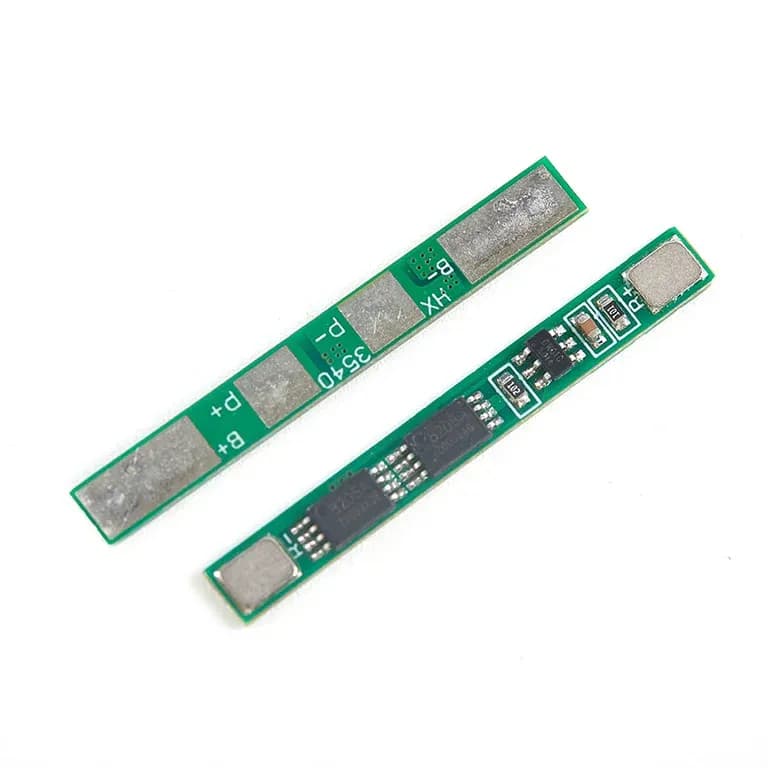
The voltage moves with the charge: from S × 4.2 V full down to about S × 3.0 V empty for Li-ion (3.65 V to 2.5 V per cell for LiFePO4). The charger must stop exactly at the full voltage, and the BMS cuts off at both ends and balances the groups.
Worked example: a 36 V 10 Ah e-bike pack
An e-bike controller wants 36 V and draws 15 A. We use 2 600 mAh 18650 cells rated for 5 A continuous.
- Cells in series
36 V ÷ 3.6 V = 10 → 10S - Parallel for the capacity
10 Ah ÷ 2.6 Ah = 3.85 → 4 - Parallel for the current
15 A ÷ 5 A = 3 → 4P is enough - The pack
10S4P = 40 cells · 36 V × 10.4 Ah = 374 Wh · 20 A max - BMS, fuse and wire
15 A × 1.25 = 18.75 A → BMS 10S 20 A · fuse 20 A · 14 AWG
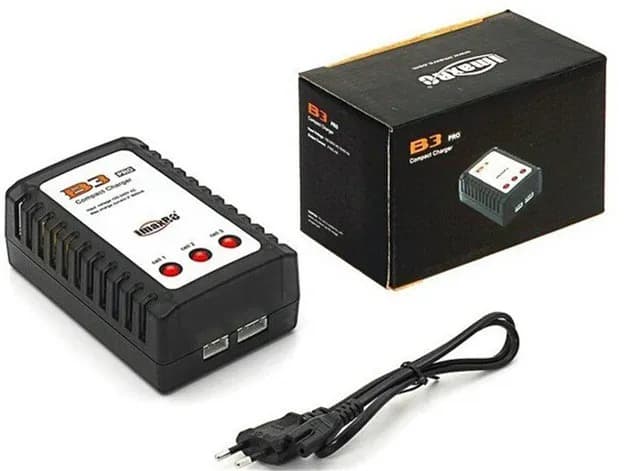
A 10S4P pack: 30–42 V, 374 Wh, about 2 kg. Charge it with a 42 V charger at 5.2 A (0.5C) for roughly 2.4 hours.
Common mistakes
Mixing old and new cells
A weaker cell empties first and gets driven below its cut-off while the others still push current through it. Build with identical new cells from one batch.
Sizing only for capacity
A 3 Ah pack of 5 A cells cannot feed a 30 A motor: the cells overheat and the voltage sags. Check P × Icell against the load, not just the amp-hours.
Charging LiFePO4 with a Li-ion charger
A 4S LiFePO4 pack is full at 14.6 V; a 4S Li-ion charger pushes 16.8 V and overcharges every cell. The charger must match both the chemistry and the cell count.
Wire thinner than the fuse
The fuse protects the wire, so the wire must carry more than the fuse rating. A 30 A fuse on 18 AWG wire lets the wire melt before the fuse blows.
Battery pack FAQ
Three in series (3S) give 10.8 V nominal and 12.6 V full, which suits most 12 V devices. Then add cells in parallel for capacity: 3S4P with 2 600 mAh cells gives 10.4 Ah from 12 cells.
The same series count as the pack, the same chemistry, and a continuous rating about 25% above your load. For a 10S pack drawing 15 A: a 10S 20 A Li-ion BMS.
None in practice: both are ten groups of four parallel cells wired in series. Building the parallel groups first is the usual way, because the BMS balances whole groups.
It is possible with a very hot iron and a few seconds per joint, but the heat damages the cell. Spot-welded nickel strip is safer, stronger and the standard for packs.
About 1.2 × capacity ÷ charge current. A 10 Ah pack charged at 5 A (0.5C) needs about 2.4 hours; the last 20% is slower because the charger switches to constant voltage.